Lemon Melon: A Bright Font for Business Branding
It was a busy morning at the bakery, and I was finalizing the new packaging for our seasonal lemon loaf. The design looked good, but something felt off. The font on the label wasn’t quite right—too stiff, too plain. That’s when I remembered Lemon Melon, a display font I’d come across during a recent design review. It had a playful yet polished feel that could bring a fresh energy to our branding without sacrificing professionalism.
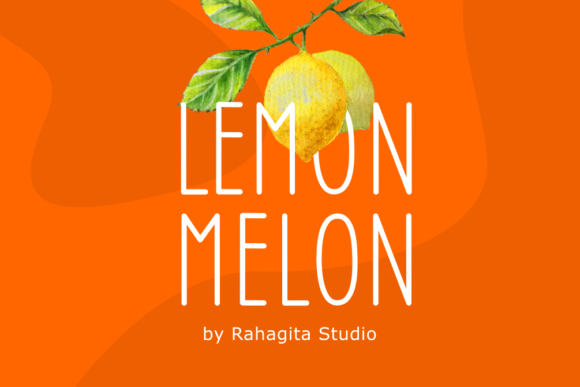
Lemon Melon is a cute, fun display font with a soft, rounded character that feels approachable and friendly. Its style balances whimsy with clarity, making it ideal for businesses that want to stand out while still maintaining a sense of reliability. The font has a light, almost hand-drawn quality that adds personality without overwhelming the message. It’s perfect for headlines, logos, and any text that needs to catch attention while remaining legible.
Real-World Use Cases for Lemon Melon
After testing Lemon Melon on our bakery labels, I noticed an immediate improvement. The font gave the packaging a more cohesive look, tying together the logo, product name, and ingredient list in a way that felt unified. It worked especially well on small labels where space was limited, as the font maintained its readability even at smaller sizes.
Another practical use came when I helped a local candle seller update their jar labels. Lemon Melon added a touch of charm without being too ornate. It paired beautifully with a clean sans serif for the scent names and ingredients, creating a visual balance that made the product feel both creative and trustworthy.
For a café looking to refresh their menu, Lemon Melon was a great choice for the header and section titles. It brought a lively energy to the page, making the menu feel more inviting. When paired with a simple serif font for the body text, it created a warm, welcoming tone that matched the café’s overall vibe.
Why Lemon Melon Works for Small Businesses
Typography plays a huge role in how customers perceive a brand. A well-chosen font can make a business look more polished, consistent, and memorable. Lemon Melon does this by adding a unique personality to every piece of branded material. Whether it’s a product tag, a social media graphic, or a website banner, the font helps create a cohesive visual identity that resonates with customers.
One of the strengths of Lemon Melon is its versatility. It works well for short phrases and headlines, making it ideal for logos, packaging titles, and decorative accents. However, it’s not the best choice for long blocks of text due to its decorative nature. For that, pairing it with a clean sans serif or elegant serif font can help maintain readability while keeping the design visually interesting.
When using Lemon Melon on printed materials like labels or packaging, it’s important to test it at different sizes. The font holds up well on small surfaces, which is crucial for product tags and stickers. On digital platforms like Instagram or online shop banners, it adds a friendly, eye-catching element that stands out in a crowded feed.
Font Pairing Tips for Lemon Melon
Pairing Lemon Melon with other fonts can enhance its impact and create a balanced design. A modern sans serif like Montserrat or Poppins can provide contrast and structure, making the display font stand out without clashing. For a more elegant look, pairing it with a classic serif such as Georgia or Playfair Display can add sophistication and depth.
If you're going for a more handmade or artistic feel, combining Lemon Melon with a script or handwritten font like Great Vibes or Quicksand can create a cohesive, curated aesthetic. Just be mindful of legibility—especially on mobile screens or small print items where clarity is key.
Considerations Before Using Lemon Melon
Before incorporating Lemon Melon into your branding, check what styles, weights, and file formats are included. Some fonts offer multiple variations that can expand your design options. Also, consider multilingual support if your audience speaks more than one language.
Make sure to review the licensing terms, especially if you plan to use the font for commercial purposes. Most display fonts like Lemon Melon are available for purchase through design marketplaces, and they often include licenses for web, print, and digital use. Always verify that the font is suitable for your specific project, whether it’s for your own business or client work.